Advancing Menstrual Health & Hygiene Across East Africa
Priority Areas
Our priority areas define the key focus of our work, guiding how we address menstrual health & hygiene challenges and drive sustainable, systems-level change.
Make an Impact Today
Our Impact
We drive measurable change that promotes dignity, strengthens communities, and ensures menstruation never limits girls’ education, opportunities, or leadership.
Make an Impact Today
Why Menstrual Health Cannot Wait
Menstrual health is essential, not optional.
Across many communities in Sub-Saharan Africa, thousands of women and girls face barriers to managing their periods safely and with dignity. Menstrual health and hygiene is not just an individual challenge, it is a systemic and structural issue that cuts across education, health (including SRHR), gender equality, economic participation, climate resilience, and WASH systems. Limited access to affordable menstrual products, inadequate sanitation facilities, and persistent stigma leads to period poverty, forcing many girls to miss school or withdraw from daily life.
Period poverty is not just a health issue it affects education, confidence, and long-term opportunities for young women and girls. Without urgent action, these challenges deepen existing inequalities and limit their potential.
Expanding access to menstrual health education and safe, sustainable products is essential to creating inclusive environments where women and girls can learn, participate, and thrive without interruption.

Why Menstrual Health Cannot Wait
Across East Africa, menstrual health remains a barrier to education, economic opportunity, and dignity.
A Regional Hub for Menstrual Health Leadership
Irise Institute East Africa is a registered Non-Governmental Organization operating in Uganda, founded in 2016, with a national mandate. We envision a world where women and girls have equitable access to health, education, and opportunities to thrive. Our mission is to empower women and girls to take charge of their health, education, and well-being by advancing menstrual health and hygiene, strengthening grassroots networks, and advocating for evidence-informed and integrated systems and policies.
To achieve this, we implement holistic, multisectoral interventions that respond to the lived experiences of women and girls.
Through partnerships with grassroots organizations, government, and civil society, we strengthen programming, influence policy, and support the integration of menstrual health into systems for sustainable impact.
The Change We Are Driving
Transforming access, confidence, and opportunity for girls and young women across East Africa
Our Priority Areas
Our work is structured around three interconnected pillars that address the root causes of menstrual health inequality and strengthen long-term systems change.
Advocacy & Policy
Influence
Amplifying the voices of girls and young women to influence national and regional policy agendas through evidence-based advocacy and coordinated action.
Menstrual Health Education & Product Access
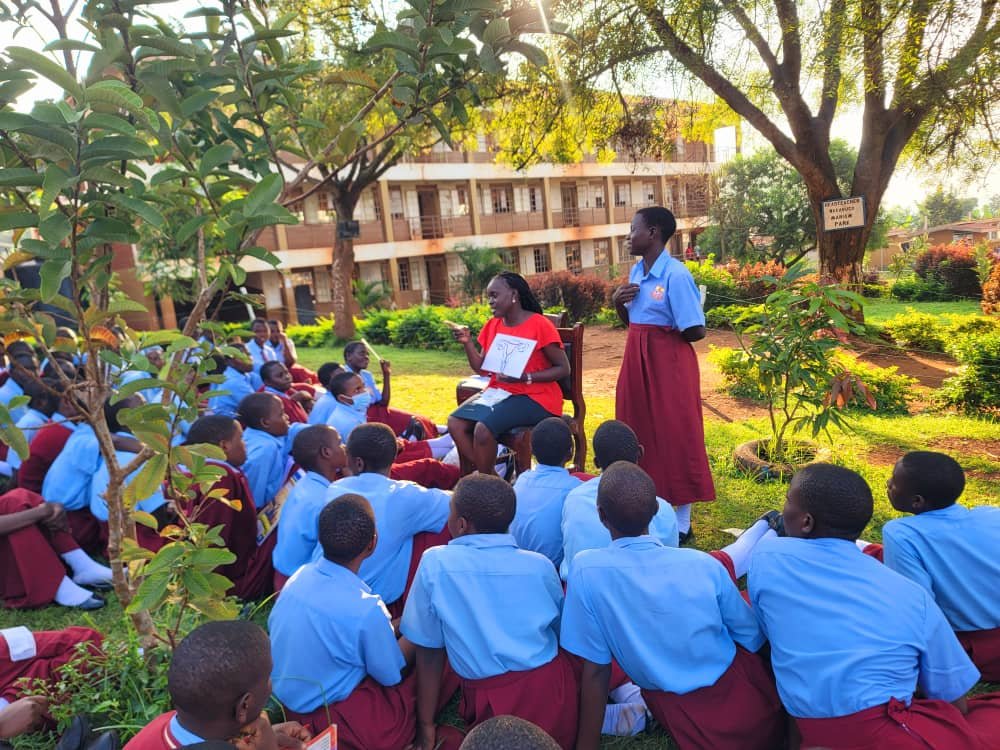
Expanding access to accurate menstrual health education, essential products, and supportive school and community environments that reduce stigma and absenteeism.
Economic Empowerment
Promoting economic independence for marginalized young women through livelihoods support, leadership development, and network strengthening initiatives.
Where We Work.
Irise Institute East Africa operates across East Africa, combining direct implementation in Uganda with regional coordination through the Thematic Platform for Engagement Network (TPEN).
Our work strengthens national and cross-border collaboration to ensure menstrual health programming is inclusive, evidence-driven, and locally led.
Rwanda
Uganda
Kenya
How We
Deliver Impact
IIEA uses tested implementation models including:
- Community readiness to change model through community champions
- Peer-led sessions in schools
- School and community outreaches
- Advocacy and social media campaigns
- TPEN network engagement
Stories of Change
I would like to express my appreciation to IIEA and her partner for their support… There has been increased school enrolment… higher attendance and better performance for the girls.
— Kirenda Milly
Headteacher
Being part of this project has not only enhanced the capicity of our staff volunteers but also facilitated the implementation of the CONFIDENCE GAP program that we implemented in Kigezu sub-region
— Maurine Tukahirwa
Girls Must Uganda
I am so excited about receiving the scholastic materials. Previously, I would miss class whenever a math teacher came to class because he could send me out to look for a set. This is my first time owning a mathematical set, and I am eternally grateful to God for giving me such a blessing
— Goretti Mutesia 15 year old in P.6 at Kyomya primary school.
Real voices. Real impact
From Missing School to Leading with Confidence
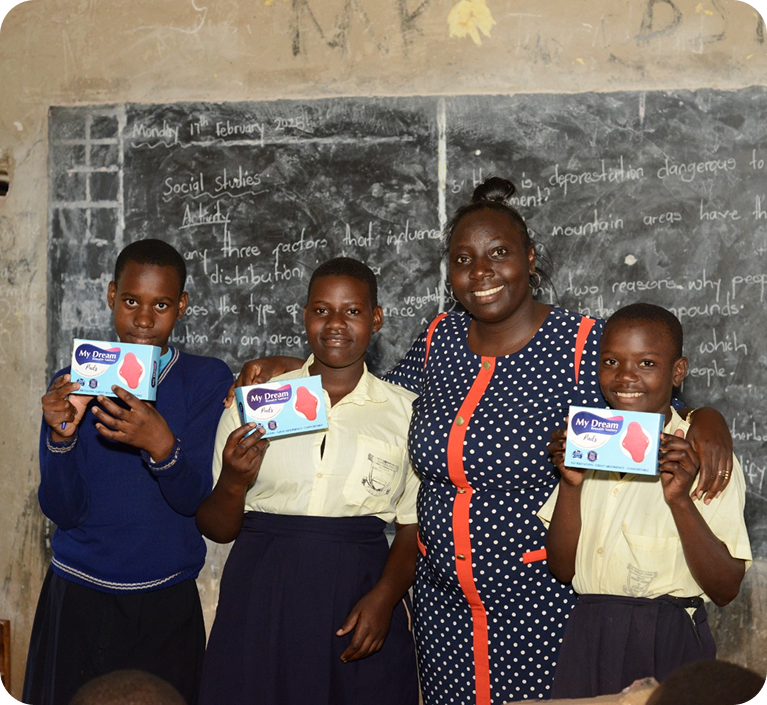
Before joining the program, Goretti often missed class due to lack of basic scholastic materials and menstrual support. Today, she attends school confidently and actively participates in class.
I used to feel anxious during my period. Now I feel confident and supported at school
— Goretti Mutesi, Student
Investing in Grassroots Leadership
Through our Small Grants Programme, we provide financial and technical support to organisations delivering high-impact menstrual health initiatives.
Our Memberships &
Networks
Collaboration is at the heart of our work. Irise Institute East Africa works alongside regional and global networks committed to advancing menstrual health, gender equality, and youth leadership. Through these partnerships, we share knowledge, strengthen advocacy, and expand opportunities for girls and young women
African Menstrual Health Coalition
The African Coalition for Menstrual Health is a continental platform that seeks to strengthen policy dialogue, knowledge management, partnerships, and coordination of menstrual health initiatives across Africa. It brings together diverse stakeholders, including civil society organizations, advocates, researchers, and development partners, to align efforts and advance a unified menstrual health agenda.
Global Menstrual Collective
The Global Menstrual Collective (GMC) is a global advocacy platform driving strategic investment in menstrual health and hygiene, positioning it as a critical human rights, health, education, and gender equality issue.
East Africa Philanthropy Network
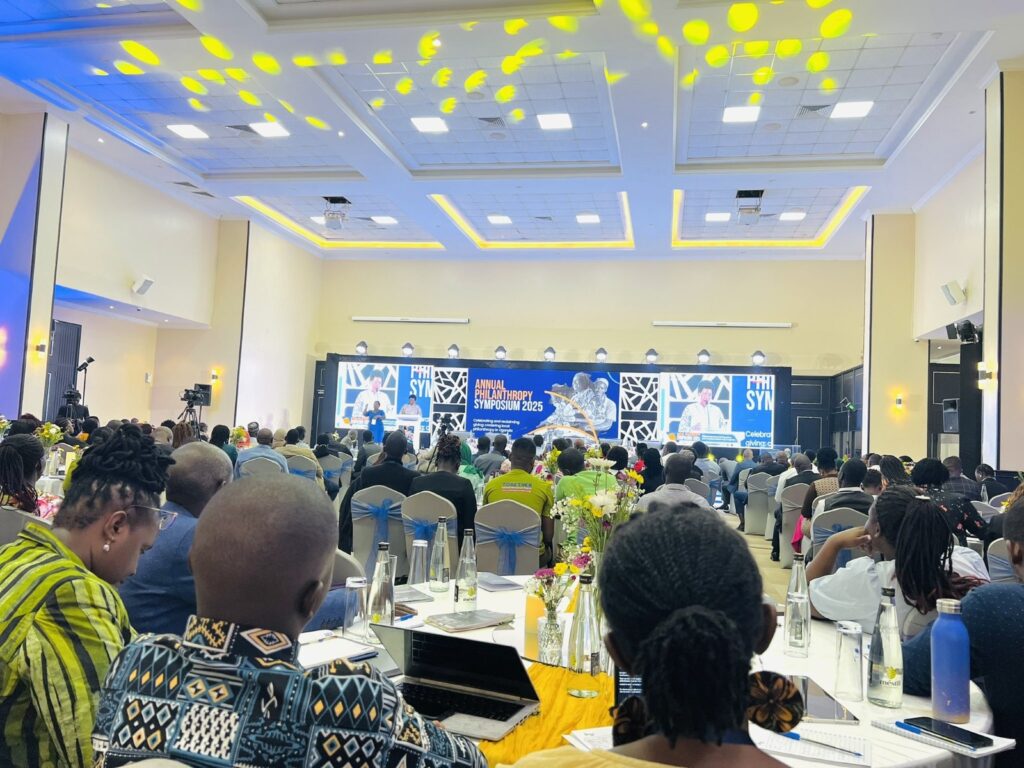
The East Africa Philanthropy Network (EAPN) is a regional membership network that brings together foundations, trusts, NGOs, and other philanthropic actors across East Africa to strengthen and promote local giving and social impact. IIEA subscribed as a member in 2022.
Menstrual Health & Hygiene Steering Committee
The Menstrual Health and Hygiene (MHH) Steering Committee, hosted by the Ministry of Education and Sports, is a national multi-stakeholder coordination platform that guides and strengthens menstrual health efforts, especially within the education sector. This body brings together government, NGOs, development partners, and civil society to align, guide, and oversee MHH interventions in schools.
East African Youth Network
The East African Youth Network is a regional platform that brings together youth-led organizations and young people across East Africa to strengthen youth participation, leadership, and advocacy in development processes. IIEA, as a member, contributes to areas of Menstrual health and sexual and reproductive health and rights affecting adolescent girls and young women.
Resources &
Insights
Explore our research, reports, and tools designed to advance menstrual health, gender equality, and youth empowerment
Updates from IIEA
Be Part of the Change
Join a passionate and mission-driven team committed to transforming the lives of girls and young women across East Africa.