
Creating Sustainable Change for Girls and Communities
Our work goes beyond delivering programs. We focus on shifting systems, strengthening leadership, and creating environments where girls can thrive without barriers.
Through partnerships with schools, grassroots organisations, and national platforms, we are advancing menstrual health equity in ways that are measurable, community-driven, and sustainable.
Our Impact at a Glance
Period Positive Schools (PPS)
Our work goes beyond delivering programs. We focus on shifting systems, strengthening leadership, and creating environments where girls can thrive without barriers.
Through partnerships with schools, grassroots organisations, and national platforms, we are advancing menstrual health equity in ways that are measurable, community-driven, and sustainable.
Key Achievements
- 18,387 students and community members reached
- 1,545+ girls and 1,104 boys educated
- 1,200+ reusable pads distributed
- 130 trainers trained
- 120+ community champions engaged
- 30+ schools reached
What Has Changed
- Girls have improved knowledge of menstruation, puberty, and hygiene, with increased confidence and reduced absenteeism. Boys are more aware and supportive, contributing to reduced stigma in schools.
- Learners with disabilities are receiving tailored support, improving inclusion and participation. Peer-led education and trained teachers are sustaining knowledge sharing beyond project activities.
- Community engagement has strengthened shared responsibility for menstrual health, while district-level collaboration has supported the prioritisation of inclusive WASH facilities and menstrual health interventions.
COVA Project
The COVA Project expands access to sustainable menstrual health solutions while strengthening knowledge, confidence, and community support
Key Achievements
- 3,622 beneficiaries reached with menstrual health education and Flow Cup training
- 3,222 students and 400 community mothers
- 16 schools reached (9 in Jinja and 7 in Iganga)
- 3,000 Flow Cups distributed
- 2,600 to schoolgirls and 400 to women
- 4,771 learners trained on menstruation, puberty, and hygiene
- 1,200 reusable pads and 620 period panties were distributed to girls with disabilities
- 50 community champions trained, reaching 9,230 community members across 20 school communities
- District leadership engagements conducted in Jinja and Iganga
What Has Changed
- Girls are managing menstruation more safely and confidently, with reduced absenteeism and increased participation in school.
- Boys are more engaged, helping to create supportive school environments. Girls with disabilities have improved comfort, hygiene, and inclusion through targeted support.
- Follow-up sessions have strengthened correct and sustained use of menstrual cups. Communities are taking ownership through trained mothers and champions, while district leaders are supporting programme expansion and prioritising inclusive WASH and menstrual health systems.
MENSTRUAL JUSTICE PROJECT
The COVA Project expands access to sustainable menstrual health solutions while strengthening knowledge, confidence, and community support
Key Achievements
- 3,622 beneficiaries reached with menstrual health education and Flow Cup training
- 3,222 students and 400 community mothers
- 16 schools reached (9 in Jinja and 7 in Iganga)
- 3,000 Flow Cups distributed
- 2,600 to schoolgirls and 400 to women
- 4,771 learners trained on menstruation, puberty, and hygiene
- 1,200 reusable pads and 620 period panties were distributed to girls with disabilities
- 50 community champions trained, reaching 9,230 community members across 20 school communities
- District leadership engagements conducted in Jinja and Iganga
What Has Changed
- Girls are managing menstruation more safely and confidently, with reduced absenteeism and increased participation in school.
- Boys are more engaged, helping to create supportive school environments. Girls with disabilities have improved comfort, hygiene, and inclusion through targeted support.
- Follow-up sessions have strengthened correct and sustained use of menstrual cups. Communities are taking ownership through trained mothers and champions, while district leaders are supporting programme expansion and prioritising inclusive WASH and menstrual health systems.
Stories of Change
— Maurine Tukahirwa
Girls Must Uganda.
“I would like to express my appreciation to IIEA and its partners for supporting our school, especially the girl children. Since the project started, we have seen increased enrolment as parents recognise the positive changes among girls. The provision of scholastic materials has also reduced absenteeism, enabling girls to concentrate better, attend school regularly, and improve their performance.”
— Cathy Nakabugo
Headteacher, Butangala Primary School.
“I would like to express my appreciation to IIEA and its partners for supporting our school, especially the girl children. Since the project started, we have seen increased enrolment as parents recognise the positive changes among girls. The provision of scholastic materials has also reduced absenteeism, enabling girls to concentrate better, attend school regularly, and improve their performance.”
— Kirenda Milly
Headteacher, Butangala Primary School.
Voices from Our Partners
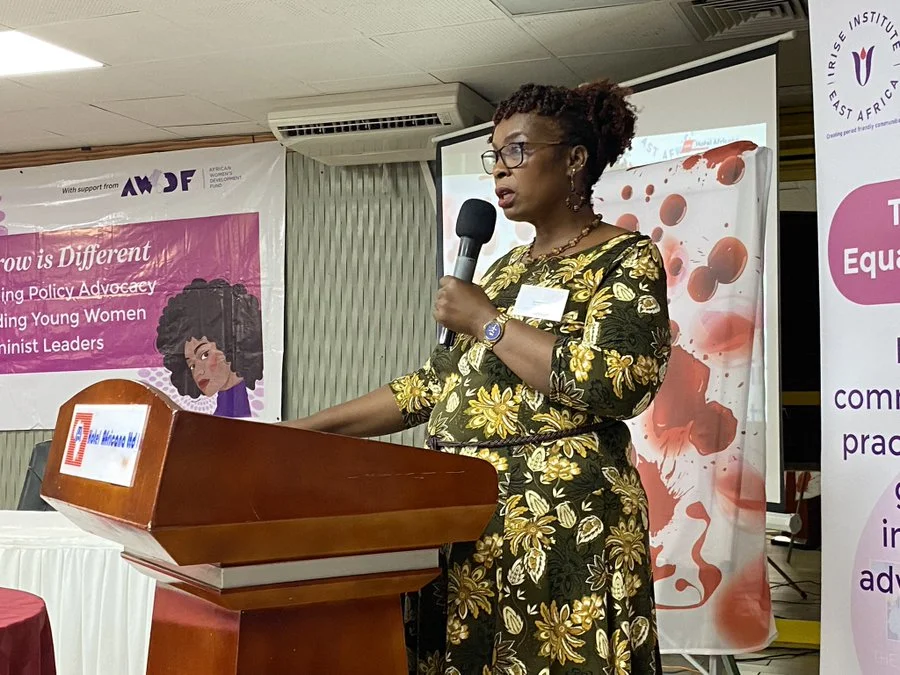

— Cathy Nakabugo
Director, Direct Hand Foundation
— Kirenda Milly
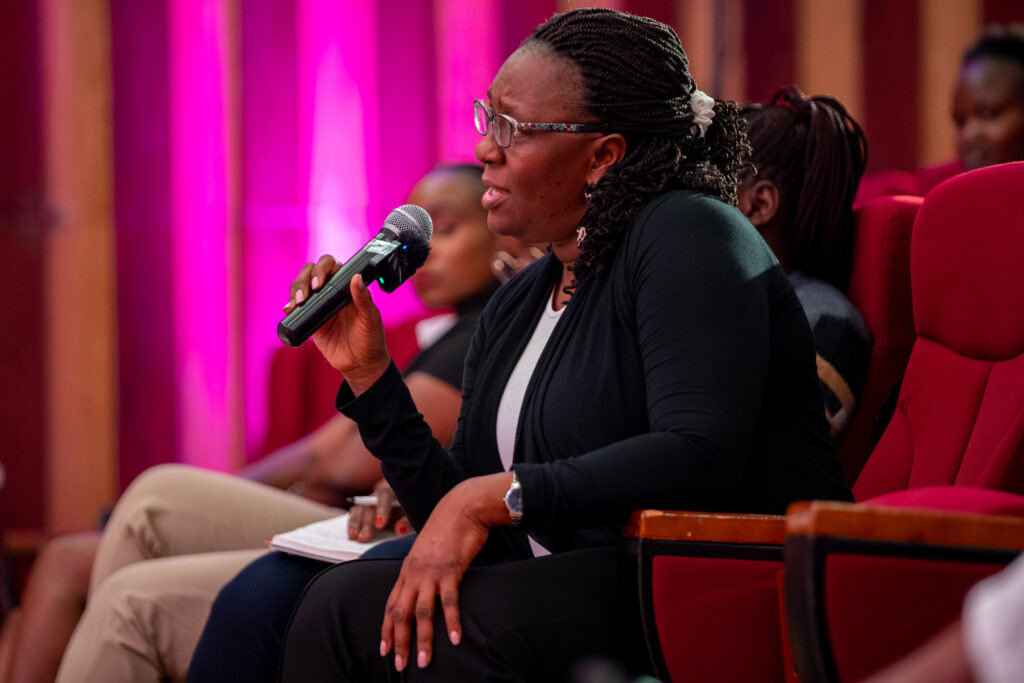
We are now producing affordable reusable pads… improving girls’ confidence and creating income opportunities.
— Cathy Nakabugo
Director, Direct Hand Foundation